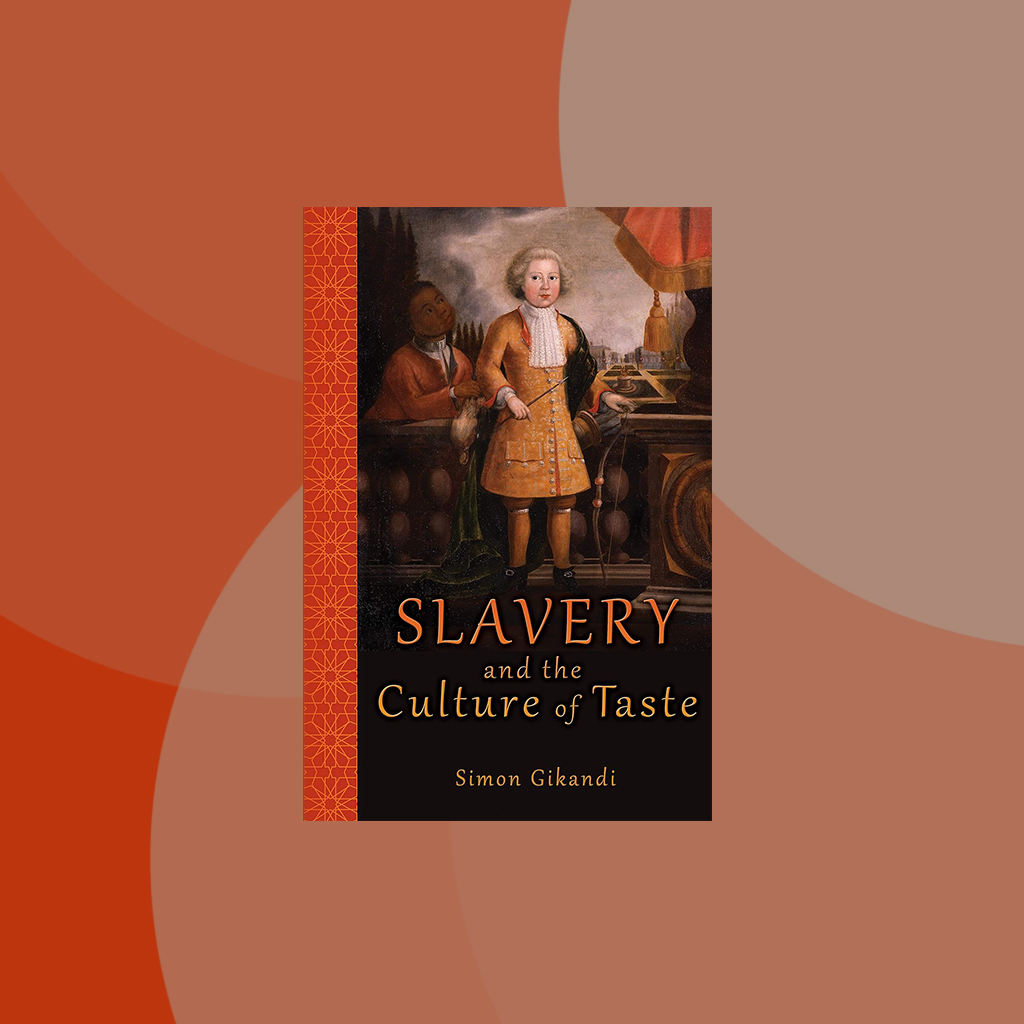
Slavery and the Culture of Taste
Simon Gikandi (2011)
»[T]his is an absorbing and otherwise well-executed study. It is nuanced, erudite and wide-ranging, shedding much valuable new light on the vexed relationships between eighteenth-century aesthetic culture and the outrageous history that shadows it.« – Carl Plasa, Review of English Studies
It would be easy to assume that, in the eighteenth century, slavery and the culture of taste–the world of politeness, manners, and aesthetics–existed as separate and unequal domains, unrelated in the spheres of social life. But to the contrary, Slavery and the Culture of Taste demonstrates that these two areas of modernity were surprisingly entwined. Ranging across Britain, the antebellum South, and the West Indies, and examining vast archives, including portraits, period paintings, personal narratives, and diaries, Simon Gikandi illustrates how the violence and ugliness of enslavement actually shaped theories of taste, notions of beauty, and practices of high culture, and how slavery’s impurity informed and haunted the rarified customs of the time.